
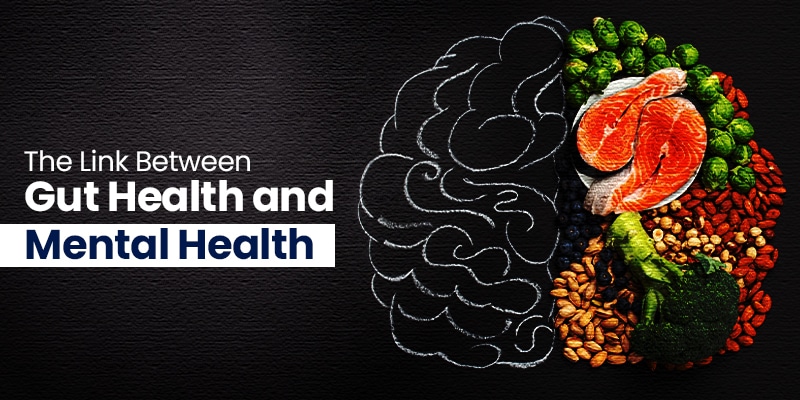
Mental health is not just about the brain. Research shows a strong connection between the gut and the brain, often referred to as the gut–brain axis. Problems in gut health can significantly affect mood, emotions, and mental well-being.
Understanding this connection can help improve both physical and mental health outcomes.
What Is the Gut–Brain Connection?
The gut and brain are connected through nerves, hormones, and immune pathways. The vagus nerve plays a key role in sending signals between the digestive system and the brain.
Nearly 90% of serotonin, the hormone responsible for mood regulation, is produced in the gut. When gut health is disturbed, mental health can also suffer.
How Poor Gut Health Affects Mental Health
1. Increased Anxiety
An unhealthy gut can lead to increased stress responses, causing nervousness, restlessness, and anxiety symptoms.
2. Depression and Low Mood
Imbalance in gut bacteria can affect serotonin production, leading to persistent sadness, low motivation, and depressive symptoms.
3. Brain Fog and Poor Concentration
Digestive issues can reduce nutrient absorption, affecting focus, memory, and clarity of thought.
4. Sleep Disturbances
Gut inflammation may disrupt sleep cycles, worsening mental fatigue and emotional instability.
5. Increased Stress Sensitivity
Poor gut health can make individuals more sensitive to stress, increasing emotional reactivity.
Common Gut Problems Linked to Mental Health Issues
Irritable Bowel Syndrome (IBS)
- Chronic constipation or diarrhea
- Acid reflux
- Food intolerances
- Frequent bloating and stomach discomfort
These conditions are often seen alongside anxiety and depression.
Signs Your Gut Health May Be Affecting Your Mental Well-Being
- Frequent digestive discomfort
- Persistent anxiety or low mood
- Unexplained fatigue
- Poor sleep quality
- Irritability or mood swings
If these symptoms occur together, professional evaluation is recommended.
How Mental Health Treatment Helps Improve Gut Health
At Dr. Nirlipta’s Mind Analysis Center, Bhubaneswar, treatment focuses on a holistic approach, including:
- Psychiatric Consultation
- Psychotherapy for stress and anxiety management
- Pharmacotherapy when required
- Lifestyle and dietary guidance
- Neuromodulation therapies for complex cases
Managing mental stress helps restore gut balance and overall health.
Lifestyle Tips to Improve Gut and Mental Health
- Eat a balanced, fiber-rich diet
- Reduce processed foods and sugar
- Practice stress management techniques
- Maintain regular sleep schedules
- Seek professional mental health support
When to Consult a Psychiatrist
If digestive issues and emotional symptoms persist for more than two weeks and interfere with daily life, consulting a psychiatrist is essential for proper diagnosis and treatment.