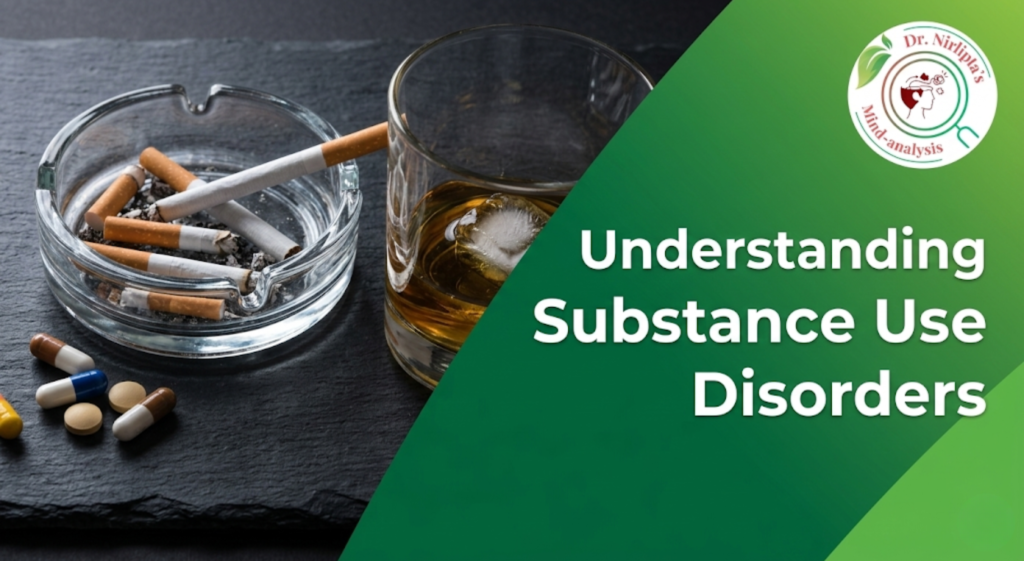
Mental health professionals increasingly recognize the importance of understanding substance use disorders as a key step in preventing long-term health complications. A substance use disorder is a medical condition where repeated use of alcohol, drugs, or certain medications leads to significant impairment in health, behavior, and daily functioning.
Substance use disorders can affect individuals emotionally, psychologically, and socially. Many people initially use substances occasionally, but over time repeated exposure can alter brain function and lead to dependence. Awareness about early symptoms and treatment approaches can help individuals and families seek appropriate support.
In growing urban centers such as Bhubaneswar, more people are actively searching for counseling and psychotherapy services to manage addiction-related concerns.
What Is Substance Use Disorder?
A substance use disorder (SUD) refers to a pattern of substance use that causes significant distress or difficulty in daily life.
Substances commonly involved include:
- Alcohol
- Prescription medications
- Illicit drugs
- Sedatives or stimulants
Medical professionals classify substance use disorder as a mental health condition because it affects behavior, emotional regulation, and decision-making.
SUD can vary in severity from mild to severe depending on the number of symptoms and their impact on functioning.
How Substance Use Disorders Develop
Substance use disorders do not usually develop suddenly. They often progress gradually through several stages.
1. Initial Use
A person may begin using a substance for curiosity, social reasons, or stress relief.
2. Regular Use
The substance becomes part of routine behavior, often used to cope with emotional stress.
3. Risky Use
Individuals may begin using substances in situations that pose safety risks or interfere with responsibilities.
4. Dependence
At this stage, the body and brain adapt to the substance, leading to cravings and withdrawal symptoms when the substance is not used.
Brain imaging studies suggest that repeated substance exposure can affect areas responsible for reward, motivation, and impulse control.
Common Signs and Symptoms of Substance Use Disorder
Recognizing early symptoms can help individuals seek timely professional guidance.
Behavioral Signs
- Increasing use of alcohol or drugs
- Difficulty controlling substance intake
- Neglecting work, school, or family responsibilities
- Spending significant time obtaining or using substances
Psychological Symptoms
- Mood swings or irritability
- Anxiety or depression
- Difficulty concentrating
- Reduced motivation
Physical Symptoms
- Changes in sleep patterns
- Unexplained fatigue
- Withdrawal symptoms such as tremors or sweating
- Increased tolerance to substances
Symptoms can vary depending on the type of substance and duration of use.
Psychological and Physical Effects of Substance Use
Substance misuse may affect multiple aspects of health.
Psychological Impact
Substance use can influence emotional wellbeing and mental functioning. Some individuals may experience:
- Increased anxiety
- Depressive symptoms
- Difficulty managing emotions
- Impaired judgment
Substance misuse is also associated with several mental health conditions including Depression and Anxiety disorder.
Physical Health Effects
Long-term substance misuse can affect various organs and systems such as:
- Liver and digestive system
- Cardiovascular health
- Immune system
- Brain functioning
The severity of these effects depends on the substance used and the duration of exposure.
Risk Factors for Substance Use Disorders
Multiple factors may contribute to the development of addiction.
Biological Factors
- Family history of addiction
- Genetic vulnerability
- Brain chemistry differences
Psychological Factors
- Trauma or chronic stress
- Untreated mental health conditions
- Low self-esteem or emotional distress
Environmental Factors
- Peer pressure
- Easy availability of substances
- Social or cultural influences
These factors often interact, increasing vulnerability to substance dependence.
How Substance Use Disorder Is Diagnosed
Healthcare professionals typically diagnose substance use disorder through a structured clinical assessment.
The process may include:
- Detailed medical and psychological history
- Evaluation of substance use patterns
- Assessment of behavioral and emotional symptoms
- Screening tools used in psychiatric practice
Mental health specialists may also evaluate co-existing conditions such as anxiety or depression.
A diagnosis is generally based on standardized criteria used in psychiatric practice.
Treatment Approaches for Substance Use Disorders
Treatment varies depending on the type of substance, severity of symptoms, and individual health needs.
Behavioral Therapies
Behavioral treatments help individuals identify triggers and develop healthier coping strategies.
Examples include:
- Cognitive behavioral therapy
- Motivational interviewing
- Relapse prevention strategies
Counseling and Support Programs
Counseling sessions can provide structured support for:
- Stress management
- Emotional regulation
- Lifestyle changes
Medical Treatment
In some cases, medication may be prescribed to help manage withdrawal symptoms or reduce cravings.
Treatment plans are usually personalized and may involve collaboration between psychiatrists, psychologists, and therapists.
How Psychotherapy Supports Addiction Recovery
Psychotherapy plays an important role in long-term recovery.
One commonly used therapy is Cognitive Behavioral Therapy (CBT).
CBT helps individuals:
- Recognize harmful thought patterns
- Identify triggers for substance use
- Develop healthier coping strategies
- Strengthen emotional resilience
Regular therapy sessions may also support relapse prevention and improve emotional wellbeing.
When Should Someone Seek Professional Help?
Seeking help may be appropriate when substance use begins to interfere with daily functioning.
Some warning signs include:
- Difficulty stopping substance use
- Increasing tolerance to alcohol or drugs
- Withdrawal symptoms when not using
- Relationship or work problems related to substance use
Mental health professionals can provide confidential assessments and discuss appropriate treatment options.
Individuals in and around Bhubaneswar may access counseling and psychotherapy services at clinics located near Nayapalli and Jayadev Vihar.
Risks and Limitations of Treatment
While many individuals benefit from therapy and structured treatment, recovery timelines can vary.
Possible challenges include:
- Relapse during recovery
- Emotional discomfort during therapy sessions
- Need for long-term lifestyle adjustments
Successful recovery often requires ongoing support, personal commitment, and professional guidance.
FAQs
What is substance use disorder?
Substance use disorder is a medical condition in which repeated use of alcohol or drugs leads to health problems, impaired control, and difficulty managing daily responsibilities.
What are the early signs of substance use disorder?
Early signs may include increasing substance use, cravings, mood changes, neglect of responsibilities, and difficulty controlling use.
Is substance use disorder considered a mental health condition?
Yes. Medical professionals classify substance use disorder as a mental health condition because it affects brain function, behavior, and emotional regulation.
Can psychotherapy help treat substance use disorder?
Psychotherapy can help individuals identify triggers, change unhealthy thought patterns, and develop coping strategies that support recovery.
How long does treatment for substance use disorder take?
The duration of treatment varies depending on the severity of the condition and the individual’s response to therapy. Some people may benefit from several months of counseling.