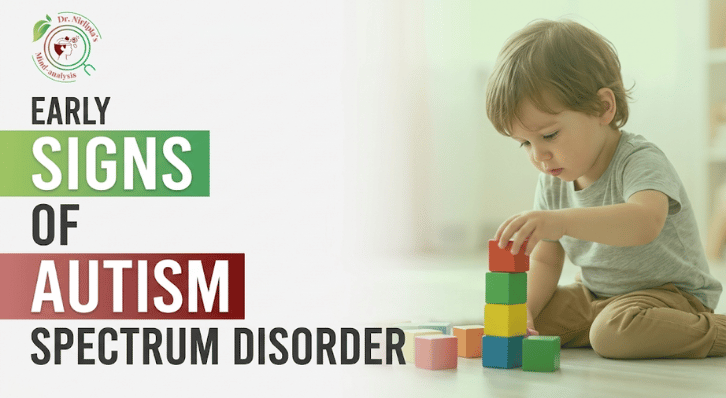
Recognizing the early signs of autism spectrum disorder can help parents understand their child’s development and seek appropriate guidance when needed. Autism Spectrum Disorder (ASD) affects communication, behavior, and social interaction.
In many cases, early symptoms appear during infancy or toddler years. However, not every developmental delay indicates autism. Therefore, understanding key signs helps parents differentiate between normal variation and potential concerns.
What Is Autism Spectrum Disorder?
Autism Spectrum Disorder is a developmental condition that affects how a child communicates, interacts socially, and behaves.
It is called a “spectrum” because:
- Symptoms vary in severity
- Each child shows different abilities
- Development patterns can differ
Additionally, early identification allows for timely support, which may improve long-term developmental outcomes.
Early Signs of Autism Spectrum Disorder
Early signs may appear before the age of 2. However, some children show subtle symptoms that become noticeable later.
Social Communication Signs
- Limited eye contact
- Reduced response to name
- Lack of interest in social interaction
- Difficulty understanding facial expressions
For example, a child may not look at parents when called or may avoid engaging in shared play.
Speech and Language Delays
- Delayed speech development
- Limited use of gestures (pointing, waving)
- Difficulty understanding simple instructions
Additionally, some children may repeat words or phrases without meaningful communication.
Behavioral Signs
- Repetitive movements (hand flapping, rocking)
- Strong preference for routines
- Distress with small changes
Therefore, these behaviors may indicate challenges in adapting to new environments.
Sensory Sensitivity
- Overreaction to sounds or lights
- Unusual interest in textures or objects
- Sensitivity to touch
In some cases, children may avoid certain sensory experiences or seek them excessively.
Signs of Autism by Age Group
Infants (0–12 Months)
- Limited smiling or social engagement
- Lack of eye contact
- Minimal response to voices
Toddlers (1–3 Years)
- Delayed speech
- Limited pretend play
- Difficulty interacting with peers
Preschool Age (3–5 Years)
- Difficulty in conversations
- Repetitive behavior patterns
- Limited emotional expression
However, developmental timelines can vary. Not all delays indicate autism.
Causes and Risk Factors
The exact cause of autism is not fully known. However, research suggests a combination of factors:
Genetic Factors
Certain genetic influences may increase risk.
Environmental Factors
Prenatal or early developmental influences may play a role.
Brain Development Differences
Differences in brain connectivity may affect communication and behavior.
Therefore, autism is considered a neurodevelopmental condition with multiple contributing factors.
When Should Parents Be Concerned?
Parents may consider evaluation if:
- A child does not respond to their name by 12 months
- Speech development is delayed beyond expected milestones
- Social interaction is limited
- Repetitive behaviors are frequent
Additionally, persistent concerns about development should not be ignored.
Diagnosis and Screening Process
Diagnosis involves a structured evaluation by trained professionals.
Assessment May Include:
- Developmental screening
- Behavioral observation
- Parent interviews
- Standardized assessment tools
However, there is no single medical test for autism. Diagnosis is based on observed behavior and developmental history.
Importance of Early Intervention
Early intervention plays a significant role in improving developmental outcomes.
Benefits Include:
- Improved communication skills
- Better social interaction
- Enhanced learning ability
- Reduced behavioral challenges
Moreover, early therapy can help children adapt better to their environment.
Treatment and Support Options
Treatment is individualized based on the child’s needs.
Common Approaches:
- Behavioral therapy
- Speech and language therapy
- Occupational therapy
Additionally, structured interventions focus on building communication and social skills.
Safety, Risks, and Limitations
Autism management requires long-term support.
Important Considerations:
- Progress varies among children
- Therapy requires consistency
- Early signs may overlap with other developmental conditions
Conclusion
Recognizing the early signs of autism spectrum disorder helps parents take timely steps toward evaluation and support. However, not all developmental differences indicate autism. Therefore, professional assessment is essential for accurate understanding and guidance.
If you have concerns about your child’s development, consulting a qualified specialist can help you explore appropriate next steps.
Medical Disclaimer
This article is for educational purposes only and does not replace professional medical advice. Always consult a qualified healthcare professional for diagnosis and treatment.