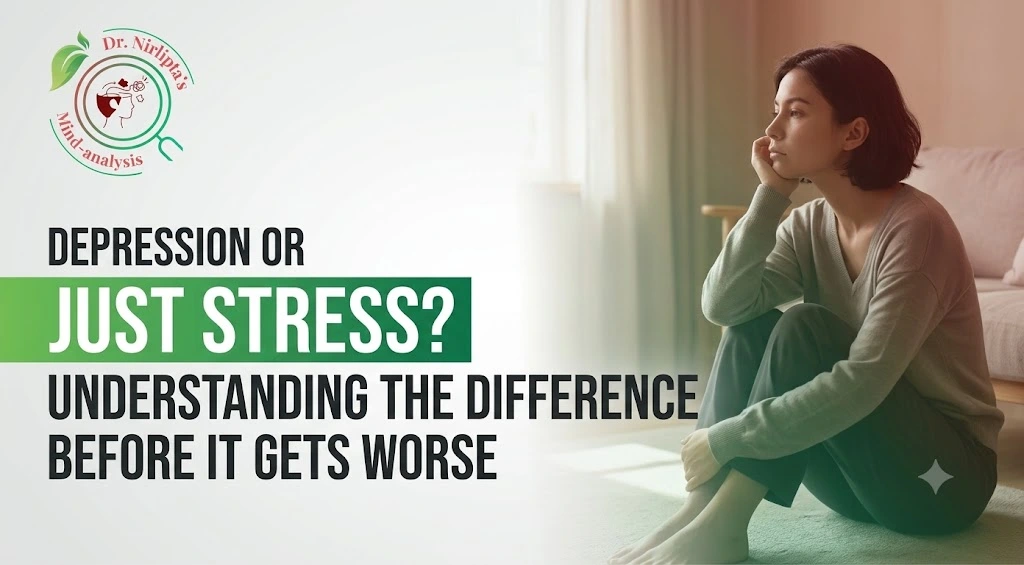
“Depression or just stress understanding the difference” is a question many people silently struggle with. Feeling overwhelmed, emotionally drained, irritable, or exhausted does not always mean you have depression. At the same time, persistent stress can sometimes evolve into a more serious mental health condition if ignored.
Understanding the difference between stress and depression is important because the two conditions can look similar in the beginning. Both may affect sleep, concentration, energy levels, and mood. However, depression typically involves persistent sadness, loss of interest, hopelessness, and difficulty functioning that lasts for weeks or longer.
In this article, we explain stress vs depression symptoms, warning signs that stress may be becoming depression, and when professional support may be helpful.
What Is Stress?
Stress is the body’s natural response to challenges, pressure, uncertainty, or change. Common triggers include:
- Work deadlines
- Examinations
- Financial concerns
- Relationship difficulties
- Health problems
- Major life changes
In many situations, stress is temporary. Once the stressful situation improves, symptoms often reduce.
Common Symptoms of Stress
Feeling tense or worried
Irritability
Difficulty relaxing
Headaches or muscle tension
Sleep problems
Increased heart rate
Temporary fatigue
Trouble concentrating during stressful periods
What Is Depression?
Depression is more than feeling sad after a difficult day. It is a mental health disorder that affects emotions, thoughts, behavior, physical health, and daily functioning.
Unlike temporary stress, depression often persists for weeks or months and may continue even when no obvious stressor is present.
Common Symptoms of Depression
Persistent sadness
Loss of interest in previously enjoyable activities
Feelings of hopelessness
Emotional numbness
Low energy nearly every day
Changes in appetite
Sleep disturbances
Difficulty concentrating
Feelings of worthlessness or excessive guilt
Important Note
Depression symptoms can vary from person to person. Some individuals appear outwardly functional while struggling significantly internally.
Depression vs Stress: Key Differences
| Feature | Stress | Depression |
|---|---|---|
| Trigger | Usually linked to a specific problem | May occur with or without a clear trigger |
| Duration | Often temporary | Persists for weeks or months |
| Mood | Overwhelmed or anxious | Persistently sad or empty |
| Interest in activities | Usually preserved | Often significantly reduced |
| Hope for the future | Generally remains | May feel hopeless |
| Energy levels | Fluctuate | Consistently low |
| Functioning | May be difficult but possible | Can become significantly impaired |
How Do I Know If I Have Stress or Depression?
Ask yourself these questions:
Are my symptoms tied to a specific stressful event?
If yes, stress may be more likely.
Have I lost interest in activities I normally enjoy?
This is more suggestive of depression.
Do I feel emotionally numb or hopeless?
These symptoms are not typical of ordinary stress.
Have these feelings lasted for more than two weeks?
Persistent symptoms may indicate depression.
Is my daily life being affected?
Difficulty working, studying, maintaining relationships, or caring for yourself is an important warning sign.
Signs That Stress May Be Becoming Depression
One of the most common patient concerns is: “Is my stress becoming depression?”
Warning signs include:
Stress symptoms lasting for months
Increasing emotional exhaustion
Withdrawal from friends and family
Loss of motivation
Feeling sad for no clear reason
Persistent fatigue despite rest
Changes in appetite or weight
Feeling hopeless about the future
Can Long-Term Stress Lead to Depression?
Yes. Research suggests that chronic stress can increase the risk of developing depression. Prolonged stress affects sleep, hormones, energy levels, and emotional regulation, which may contribute to depressive symptoms in some individuals.
This does not mean everyone with stress will develop depression, but persistent unmanaged stress deserves attention.
Burnout, Anxiety, and Depression: Understanding the Overlap
Many people use the terms stress, burnout, anxiety, and depression interchangeably. Although they can occur together, they are not the same condition. Understanding their differences can help you recognize when professional support may be beneficial.
What Is Burnout?
Burnout is a state of physical, emotional, and mental exhaustion caused by prolonged stress, commonly related to work, caregiving, or academic responsibilities.
Common Symptoms of Burnout
- Feeling emotionally exhausted every day
- Reduced productivity
- Difficulty concentrating
- Feeling detached from work or responsibilities
- Irritability
- Lack of motivation
- Physical fatigue
Burnout often improves when stressors are addressed and adequate rest, support, and lifestyle changes are introduced. However, if symptoms persist, a mental health evaluation may be appropriate to rule out depression.
Anxiety vs Depression
Anxiety and depression frequently occur together, but they involve different emotional experiences.
Anxiety Often Involves
- Excessive worry
- Feeling constantly on edge
- Racing thoughts
- Restlessness
- Muscle tension
- Panic symptoms in some individuals
Depression Often Involves
- Persistent sadness
- Emotional numbness
- Loss of pleasure in daily activities
- Hopelessness
- Reduced motivation
- Low energy
Some people experience both anxiety and depression simultaneously, making a comprehensive psychiatric evaluation important for an accurate diagnosis and personalized treatment plan.
When Should You Seek Professional Help?
Everyone experiences stress from time to time. However, certain symptoms suggest that professional assessment is appropriate rather than trying to manage everything alone.
Consider seeking help if:
- Symptoms continue for more than two weeks
- Sadness feels persistent or overwhelming
- Daily activities become difficult
- You struggle to perform at work or school
- Relationships are being affected
- Sleep problems continue despite lifestyle changes
- Appetite changes are significant
- You feel emotionally exhausted most days
- You have lost interest in hobbies or social activities
- Family or friends notice changes in your behavior
Seeking help early does not necessarily mean you have depression. A qualified mental health professional can determine whether your symptoms are related to stress, anxiety, burnout, depression, or another condition and recommend appropriate care.
How Is Depression Diagnosed?
There is no single blood test or brain scan that confirms depression. Diagnosis is based on a detailed clinical assessment by a qualified mental health professional.
A psychiatric evaluation may include:
- Discussion of current symptoms
- Medical history
- Mental health history
- Family history
- Current medications
- Lifestyle and stress factors
- Sleep patterns
- Emotional wellbeing
- Physical health conditions that may contribute to symptoms
The goal is to understand the complete picture before recommending treatment.
Treatment Options for Stress and Depression
Treatment depends on the underlying cause, severity of symptoms, medical history, and individual needs.
1. Psychological Counseling
Counseling provides a supportive environment to discuss emotions, identify stressors, and develop healthier coping strategies.
It may be helpful for:
- Work-related stress
- Relationship stress
- Emotional exhaustion
- Adjustment difficulties
- Mild to moderate depression
2. Psychotherapy
Evidence-based psychotherapy is considered one of the most effective treatments for many forms of depression and anxiety.
Common approaches include:
- Cognitive Behavioral Therapy (CBT)
- Interpersonal Therapy (IPT)
- Supportive Psychotherapy
- Behavioral Activation
Psychotherapy helps individuals recognize unhelpful thought patterns, improve coping skills, and gradually return to meaningful daily activities.
3. Medication
For moderate to severe depression, antidepressant medication may be recommended by a psychiatrist after careful evaluation.
Medication decisions are individualized and may depend on:
- Symptom severity
- Previous treatment history
- Other medical conditions
- Possible side effects
- Patient preferences
Medication should always be taken under medical supervision and should not be started or stopped without professional guidance.
4. Lifestyle Measures
Healthy lifestyle habits can support mental wellbeing alongside professional treatment.
These include:
- Regular physical activity
- Consistent sleep routine
- Balanced nutrition
- Limiting alcohol and recreational drugs
- Relaxation techniques
- Mindfulness practices
- Spending time with supportive family and friends
Lifestyle changes are valuable but may not replace medical treatment for clinical depression.
Risks of Ignoring Persistent Symptoms
Ignoring prolonged emotional distress may affect multiple areas of life.
Possible consequences include:
- Reduced work performance
- Academic difficulties
- Relationship challenges
- Poor sleep quality
- Reduced physical health
- Increased anxiety
- Worsening depressive symptoms
- Lower overall quality of life
Early recognition allows timely evaluation and appropriate support.
Conclusion
Feeling stressed during difficult periods of life is common, but persistent sadness, emotional exhaustion, loss of interest, and hopelessness are not simply signs of being busy or overwhelmed. Recognizing the difference between temporary stress and depression is an important step toward understanding your mental health.
If emotional symptoms continue, begin affecting your daily routine, or become increasingly difficult to manage, discussing them with a qualified mental health professional can help identify the underlying cause and explore appropriate treatment options. Individualized care may include counseling, psychotherapy, lifestyle guidance, medication, or a combination of approaches based on your specific needs.
Medical Disclaimer
This article is intended for educational purposes only and should not be considered a substitute for professional medical advice, diagnosis, or treatment. Mental health conditions vary from person to person. If you are experiencing persistent emotional distress or have concerns about your mental wellbeing, consult a qualified psychiatrist or mental health professional for an individualized assessment. If you or someone you know is experiencing thoughts of self-harm or is in immediate danger, seek emergency medical assistance or contact local emergency services without delay.
Frequently Asked Questions
1. What is the difference between stress and depression?
Stress is usually a temporary response to challenging situations and often improves when the stressor is resolved. Depression is a mental health condition characterized by persistent low mood, loss of interest, and other symptoms that typically last for at least two weeks and affect daily functioning.
2. Can long-term stress lead to depression?
Chronic stress may increase the risk of developing depression in some individuals by affecting emotional regulation, sleep, and overall mental wellbeing. However, not everyone experiencing prolonged stress will develop depression.
3. How do I know if I have stress or depression?
If symptoms persist beyond two weeks, include persistent sadness, hopelessness, loss of interest in enjoyable activities, or significantly interfere with daily life, a professional mental health evaluation is recommended.
4. Can depression be mistaken for stress?
Yes. Early depression may resemble stress because both can involve fatigue, sleep problems, irritability, and difficulty concentrating. A clinical assessment helps distinguish between them.
5. Can counseling help with chronic stress?
Yes. Counseling can help individuals understand stress triggers, improve coping strategies, build resilience, and reduce emotional distress.
6. Do all people with depression need medication?
No. Treatment depends on the severity of symptoms and individual circumstances. Some people benefit from psychotherapy alone, while others may require medication in combination with therapy.
7. What are the warning signs that stress is becoming depression?
Possible warning signs include persistent sadness, emotional numbness, hopelessness, withdrawal from others, loss of motivation, ongoing fatigue, sleep changes, appetite changes, and difficulty functioning in daily life.
8. How long does depression treatment usually take?
Recovery varies widely. Some people notice improvement within weeks of starting treatment, while others require longer-term therapy or medication. Treatment plans are individualized and reviewed regularly by a healthcare professional.