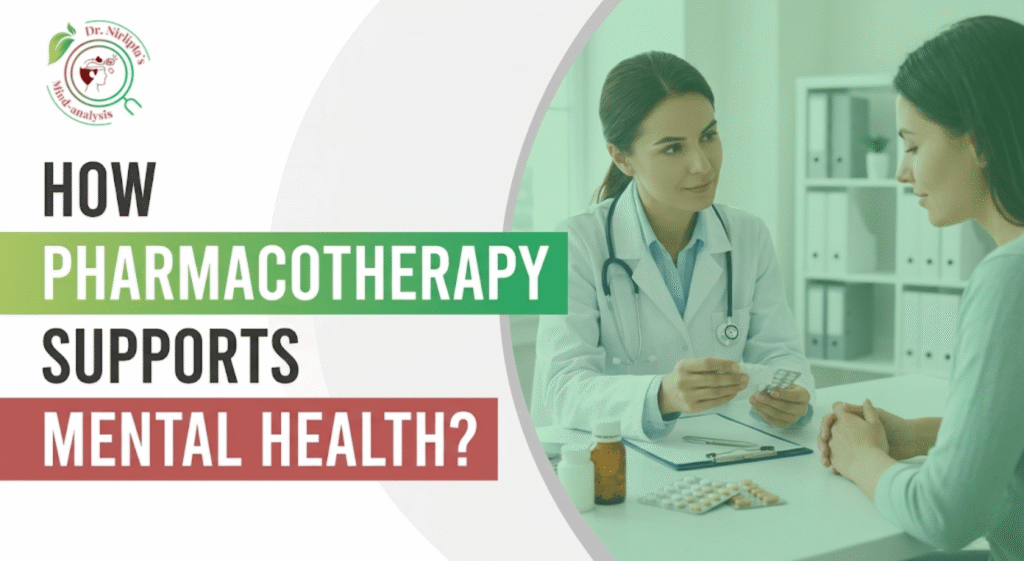
Understanding how pharmacotherapy supports mental health can help individuals make informed decisions about treatment options. Pharmacotherapy refers to the use of medications to manage mental health conditions such as anxiety, depression, and mood disorders.
In many cases, psychiatric medications are part of a structured, evidence-based treatment plan designed to reduce symptoms, stabilize mood, and improve daily functioning. In cities like Bhubaneswar, awareness of mental health treatment—including medication management—has been steadily increasing.
What Is Pharmacotherapy?
Pharmacotherapy is the medical treatment of mental health conditions using prescribed medications. These medications are recommended after a detailed clinical assessment by a qualified psychiatrist.
Unlike general medications, psychiatric drugs work on brain chemistry, particularly neurotransmitters such as serotonin, dopamine, and norepinephrine.
Common categories include:
- Antidepressants
- Anti-anxiety medications
- Mood stabilizers
- Antipsychotic medications
These medications are carefully selected based on diagnosis, symptom severity, and individual response.
How Pharmacotherapy Supports Mental Health
Pharmacotherapy plays a critical role in managing mental health conditions by addressing biological factors that contribute to symptoms.
1. Regulates Brain Chemistry
Many mental health conditions are associated with imbalances in neurotransmitters. Medications help restore this balance, which can improve mood, reduce anxiety, and enhance emotional stability.
2. Reduces Symptom Severity
Pharmacotherapy may help reduce symptoms such as:
- Persistent sadness
- Panic attacks
- Excessive worry
- Sleep disturbances
- Mood swings
This allows individuals to function better in daily life.
3. Improves Response to Therapy
Medication can make it easier for individuals to engage in psychotherapy approaches such as Cognitive Behavioral Therapy, especially when symptoms are severe.
4. Prevents Relapse
In some conditions, continued pharmacotherapy helps reduce the risk of relapse, particularly in recurrent depression or anxiety disorders.
5. Supports Long-Term Stability
With proper monitoring, medications may contribute to sustained emotional stability and improved quality of life.
Types of Medications Used in Mental Health
Different classes of medications are used depending on the condition:
Antidepressants
Commonly prescribed for depression and anxiety disorders. They work by increasing levels of certain neurotransmitters.
Anti-Anxiety Medications
Used to reduce symptoms of excessive fear, panic, and tension.
Mood Stabilizers
Often prescribed for mood disorders involving emotional highs and lows.
Antipsychotics
Used for conditions involving severe disturbances in thinking, perception, or behavior.
Each type has specific indications and must be prescribed by a qualified psychiatrist.
Conditions Treated with Pharmacotherapy
Pharmacotherapy is used to manage a range of mental health conditions, including:
- Anxiety disorders
- Depression
- Panic disorder
- Obsessive-compulsive disorder (OCD)
- Bipolar disorder
- Sleep-related disorders
- Stress-related conditions
It may also be recommended when symptoms significantly impact daily functioning.
Benefits of Pharmacotherapy
When prescribed appropriately, pharmacotherapy may offer several benefits:
- Reduction in distressing symptoms
- Improved daily functioning
- Better sleep and energy levels
- Enhanced ability to participate in therapy
- Stabilization of mood over time
These benefits vary from person to person and depend on adherence to treatment and clinical guidance.
Pharmacotherapy vs Psychotherapy
Both pharmacotherapy and psychotherapy are effective, but they serve different roles.
| Pharmacotherapy | Psychotherapy |
|---|---|
| Targets brain chemistry | Targets thoughts and behavior |
| Provides symptom relief | Builds coping strategies |
| May act faster for severe symptoms | Long-term skill development |
| Requires medical supervision | Conducted by trained therapist |
In many cases, a combined approach offers the most balanced treatment outcome.
When Should You Consider Medication?
Medication may be considered if:
- Symptoms are moderate to severe
- Daily functioning is significantly affected
- Therapy alone has not provided sufficient relief
- There is a history of recurrent mental health conditions
A psychiatrist evaluates individual needs before recommending pharmacotherapy.
Safety, Risks, and Limitations
Pharmacotherapy is generally safe when prescribed and monitored appropriately. However, patients should be aware of:
Possible Side Effects
- Nausea or digestive discomfort
- Drowsiness or sleep changes
- Weight fluctuations
- Temporary increase in anxiety (in some cases)
Important Considerations
- Medications should not be stopped abruptly without medical advice
- Regular follow-up is required to adjust dosage
- Individual responses to medication may vary
Pharmacotherapy is not a one-size-fits-all solution. It requires personalized care and monitoring.
Conclusion
Understanding how pharmacotherapy supports mental health allows individuals to make informed decisions about their treatment options. Medications, when used appropriately, can help manage symptoms, improve stability, and support overall wellbeing.
If you are considering treatment options, consulting a qualified mental health professional can help determine whether pharmacotherapy is suitable for your specific needs.