
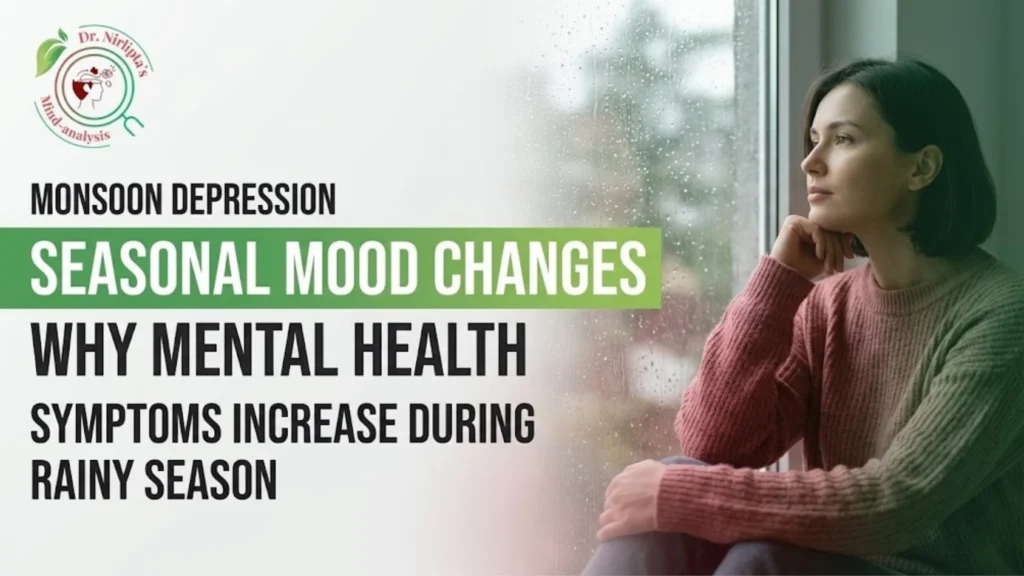
Rainy weather can feel calming for some people, but others notice monsoon depression and seasonal mood changes, including low energy, sadness, irritability, anxiety, reduced motivation or changes in sleep.
Feeling less energetic on a few gloomy days does not necessarily mean that someone has depression. However, persistent symptoms that interfere with work, relationships, sleep or everyday activities deserve attention.
Seasonal changes can influence daily routines, daylight exposure, physical activity and sleep patterns. In some people, these changes may contribute to worsening mood symptoms. Seasonal affective disorder (SAD) is a form of depression associated with a recurring seasonal pattern, although the classic pattern is more commonly associated with winter and reduced daylight in certain regions.
For people living in Bhubaneswar and other areas experiencing prolonged monsoon weather, understanding the difference between temporary weather-related mood changes and a mental health condition can be helpful.
Why Does Monsoon Affect Mental Health?
Rain itself does not automatically cause depression. Instead, several environmental, biological and behavioural factors may influence how a person feels during prolonged periods of rainy weather.
Reduced Daylight Exposure
Cloudy and rainy conditions may reduce the amount of daylight a person receives, particularly when they spend most of the day indoors.
Daylight plays an important role in regulating the body’s sleep-wake cycle. Seasonal changes in daylight are also associated with changes in biological processes involving melatonin and serotonin, although the exact mechanisms behind seasonal affective disorder are complex.
Less Outdoor Activity
Heavy rainfall can make walking, exercising, meeting friends or participating in outdoor activities more difficult.
Reduced physical activity and spending more time indoors may affect routine and social connection. For someone already experiencing depression or anxiety, these changes can make existing symptoms more noticeable.
Changes in Sleep Patterns
Rainy weather, altered routines and reduced daylight may influence sleep schedules.
Some people may sleep longer or feel sleepy during the day, while others may experience difficulty maintaining a consistent sleep routine. Persistent sleep changes can also occur as part of depression.
Social Isolation
People may cancel plans or spend more time alone when travelling outdoors becomes inconvenient.
Occasional changes in social activity are normal. However, prolonged withdrawal from friends, family or activities that someone previously enjoyed can be a symptom worth discussing with a mental health professional.
Weather-Related Stress
Monsoon conditions can also bring practical stressors, such as difficult commuting, waterlogging, property concerns, work disruption or financial pressures.
These experiences may contribute to stress or anxiety, particularly in people already dealing with other psychological or social challenges.
What Are Seasonal Mood Changes?
Seasonal mood changes refer to emotional or behavioural changes that appear around a particular time of year.
A person may notice:
- Lower energy
- Reduced motivation
- Irritability
- Feeling more withdrawn
- Changes in sleep
- Changes in appetite
- Difficulty concentrating
- Less interest in usual activities
- Increased worry or stress
- Feeling emotionally sensitive
A temporary change in mood does not automatically indicate a mental health disorder.
The important factors are severity, duration, recurrence and impact on daily functioning.
Can Rainy Season Increase Depression Symptoms?
For some people, rainy weather may coincide with worsening depressive symptoms, but it is important not to assume that rain itself is the cause.
Depression develops through a complex interaction of biological, psychological and social factors. Weather and seasonal changes may be one contributing factor for some individuals rather than a single explanation.
Someone who already has depression, anxiety or another mental health condition may notice that changes in routine, sleep, activity and social interaction make symptoms more difficult to manage.
Common Depression Symptoms
Depression may involve:
- Persistent sadness or emptiness
- Loss of interest or pleasure
- Significant fatigue or low energy
- Difficulty concentrating
- Feelings of guilt, worthlessness or hopelessness
- Changes in sleep
- Changes in appetite or weight
- Reduced ability to manage everyday responsibilities
- Thoughts about death, self-harm or suicide
The World Health Organization notes that depression differs from ordinary mood fluctuations. A depressive episode generally involves symptoms occurring for most of the day, nearly every day, for at least two weeks.
Monsoon Depression vs Clinical Depression
The phrase “monsoon depression” is commonly used online to describe feeling low during rainy weather. It should not be treated as a diagnosis by itself.
| Temporary weather-related low mood | Possible depressive disorder |
|---|---|
| Usually mild and short-lived | Persistent or recurrent symptoms |
| Mood may improve when circumstances change | Symptoms may continue despite changes in weather |
| Daily functioning remains mostly intact | Work, relationships or self-care may be affected |
| Interest in normal activities is generally maintained | Loss of interest or pleasure may occur |
| Does not necessarily recur every year | May follow a recurring seasonal pattern in SAD |
Seasonal affective disorder is a recognized type of depression involving a recurring seasonal pattern. NIMH notes that SAD can occur in winter or, less commonly, in summer, and diagnosis involves considering the pattern and duration of symptoms rather than simply whether someone feels sad during a particular season.
What Is Seasonal Affective Disorder?
Seasonal affective disorder, or SAD, is a type of depression in which depressive episodes follow a seasonal pattern.
The most familiar pattern is winter-pattern SAD, which occurs more commonly in regions where daylight becomes substantially shorter during winter. Symptoms may include low mood, loss of interest, fatigue, difficulty concentrating, changes in sleep and appetite, and social withdrawal.
This distinction is particularly important in India.
A person should not assume that experiencing sadness during India’s monsoon season automatically means they have SAD. A mental health professional may need to assess the timing, severity, duration, recurrence and functional impact of symptoms.
Why Reduced Sunlight and Lifestyle Changes Matter
Daylight helps regulate the body’s circadian rhythm, which influences sleep and wakefulness.
Research into SAD suggests that seasonal changes in daylight may affect biological processes involving serotonin and melatonin. However, seasonal mood disorders are complex, and reduced sunlight is not a complete explanation for every person’s symptoms.
During prolonged rainy periods, maintaining a predictable daily routine can therefore be useful.
Helpful habits may include:
- Maintaining consistent sleep and wake times
- Getting appropriate daylight exposure during the daytime when conditions permit
- Staying physically active
- Maintaining social contact
- Continuing enjoyable indoor activities when outdoor plans are disrupted
- Eating regular, balanced meals
- Limiting excessive alcohol or substance use
- Taking breaks from prolonged screen use
- Monitoring changes in mood and sleep
These measures support general wellbeing but should not replace professional assessment when significant symptoms are present.
How to Manage Mood Changes During Rainy Season
Maintain a Regular Sleep Schedule
Try to maintain reasonably consistent sleeping and waking times, including on days when you remain indoors.
A regular routine can help prevent weather-related changes from completely disrupting your daily schedule.
Stay Physically Active
If heavy rain prevents outdoor exercise, consider safe indoor activities that are appropriate for your physical condition.
Regular physical activity can support overall mental wellbeing.
Maintain Social Connection
Continue communicating with friends, family members or other supportive people.
Social contact can be particularly important when rainy weather results in spending more time indoors.
Plan Enjoyable Indoor Activities
Prepare alternatives for activities that normally take place outdoors.
Reading, hobbies, creative activities, indoor exercise or social activities can help maintain structure when outdoor plans are cancelled.
Monitor Your Symptoms
If you repeatedly notice low mood, sleep changes, loss of interest or low energy during a particular season, consider tracking when symptoms begin, how long they last and how strongly they affect your daily life.
This information can help a mental health professional understand whether there is a recurring seasonal pattern.
When Should You Seek Professional Help?
Consider speaking with a psychiatrist, psychologist or other qualified mental health professional if:
- Low mood persists for two weeks or longer
- You lose interest in activities you previously enjoyed
- Symptoms interfere with work, studies or relationships
- Sleep or appetite changes become persistent
- Anxiety becomes difficult to control
- You repeatedly experience similar symptoms during a particular season
- You increasingly avoid friends, family or normal activities
- You feel hopeless or unable to cope
- You have thoughts of self-harm or suicide
Depression is a treatable mental health condition, and professional assessment can help distinguish depression from temporary emotional responses, anxiety, sleep problems or other conditions.
If you have thoughts of suicide or feel that you may harm yourself, seek urgent help from local emergency or mental health services rather than managing the situation alone.
How Is Seasonal Depression Evaluated?
There is no single symptom that confirms seasonal depression.
A clinician may consider:
- Your current symptoms
- How long symptoms have been present
- Previous depressive or anxiety symptoms
- Whether symptoms recur during a particular season
- Sleep and appetite changes
- Medical history
- Current medications or substances
- Family and personal mental health history
- The effect of symptoms on everyday functioning
A clinician may also use validated screening questionnaires as part of an overall assessment.
This evaluation is important because fatigue, poor concentration, sleep changes and low mood can have multiple possible causes.
What Treatment Options May Be Considered?
Treatment depends on the person’s symptoms, diagnosis, medical history and individual circumstances.
Potential approaches may include:
Psychotherapy
Psychotherapy can help people understand patterns of thoughts, emotions and behaviour associated with depression or anxiety.
Cognitive behavioural therapy (CBT) is one evidence-based psychological approach used for depression, including seasonal depression. NIMH describes CBT adapted specifically for SAD as CBT-SAD.
Medication
A psychiatrist may consider antidepressant medication when clinically appropriate.
Medication choice depends on factors such as symptom severity, previous treatment, other medical conditions and potential side effects. Prescription medication should only be started, changed or stopped under appropriate medical guidance.
Light Therapy
Light therapy is an established treatment option for winter-pattern SAD, particularly in settings where reduced daylight is a significant seasonal factor.
However, light therapy is not automatically appropriate for everyone. Certain eye conditions and medications may require additional precautions or medical supervision.
Because monsoon-related low mood in India is not automatically equivalent to winter-pattern SAD, a person should not self-diagnose or begin light therapy solely because they feel low during rainy weather.
Vitamin D
Vitamin D and seasonal mood have been studied, but evidence regarding vitamin D supplementation as a treatment for SAD is mixed.
Supplements should not be used as a substitute for depression assessment or prescribed treatment. Discuss supplementation with a healthcare professional, particularly if you take other medicines or have medical conditions.
Risks and Limitations
Weather can influence routines and emotional wellbeing, but it is not possible to diagnose depression based on weather preference or mood changes alone.
Other conditions can produce symptoms such as fatigue, poor concentration, sleep changes or low mood. These may include medical illnesses, medication effects, anxiety disorders, substance use and other mental health conditions.
Another important limitation is that most established research on SAD concerns recurring seasonal patterns, particularly winter-pattern SAD in regions with substantial changes in daylight. Therefore, online claims that “monsoon causes depression” should be interpreted cautiously.
Conclusion
Rainy weather can coincide with changes in energy, sleep, activity and social routines, and some people may notice their mood becoming lower during prolonged periods of monsoon weather.
However, feeling low when it rains does not automatically mean that someone has depression or seasonal affective disorder. Persistent sadness, loss of interest, significant fatigue, sleep changes, anxiety or difficulty functioning deserve a more careful assessment.
If seasonal mood changes repeatedly affect your daily life, consider discussing your symptoms with a qualified mental health professional in Bhubaneswar. A proper evaluation can help identify whether the symptoms are temporary, related to depression or anxiety, part of a seasonal pattern, or associated with another underlying issue.
Medical Disclaimer:
This article is intended for general educational purposes and does not provide an individual diagnosis or treatment plan. Mental health symptoms can have different causes. Consult a qualified healthcare professional for personalized assessment and treatment. If you are experiencing thoughts of suicide or self-harm, seek urgent professional or emergency assistance.
FAQs
1. Can monsoon season affect mental health?
Yes. Monsoon weather can indirectly affect mental wellbeing by changing daylight exposure, physical activity, sleep routines, social interaction and daily schedules. However, rainy weather alone does not mean that someone has depression.
2. Why do I feel depressed during rainy season?
Some people may feel lower during prolonged rainy periods because they spend more time indoors, experience disrupted routines or have less daylight and physical activity. Persistent symptoms should be assessed rather than automatically attributed to the weather.
3. Is monsoon depression the same as seasonal affective disorder?
No. “Monsoon depression” is not a formal psychiatric diagnosis. Seasonal affective disorder is a recognized type of depression involving a recurring seasonal pattern. The most common form is associated with winter and reduced daylight in certain regions.
4. What are common symptoms of seasonal depression?
Symptoms may include persistent low mood, loss of interest or pleasure, fatigue, difficulty concentrating, sleep changes, appetite changes, feelings of worthlessness or hopelessness and social withdrawal.
5. Can therapy help with seasonal depression?
Yes. Psychotherapy, including cognitive behavioural therapy, can be used to treat depression and seasonal affective disorder. NIMH describes a CBT approach specifically adapted for SAD called CBT-SAD.
6. When should I seek help for seasonal mood changes?
Consider professional help when symptoms persist, repeatedly return, interfere with work or relationships, cause significant changes in sleep or appetite, reduce your interest in normal activities, or include hopelessness or thoughts of self-harm.