
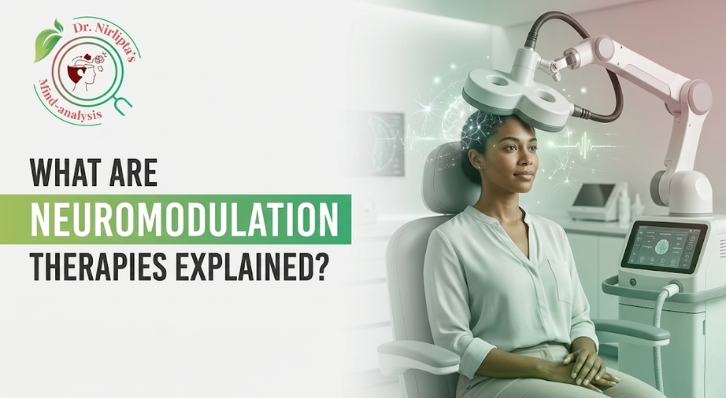
Understanding neuromodulation therapies explained helps individuals explore advanced treatment options for mental health conditions. Neuromodulation refers to techniques that directly influence brain activity to improve symptoms such as depression, anxiety, and emotional instability.
In many cases, these therapies are considered when standard treatments like medication or psychotherapy do not provide sufficient relief. Therefore, neuromodulation offers an alternative approach for treatment-resistant conditions.
What Are Neuromodulation Therapies?
Neuromodulation therapies are medical treatments that alter nerve activity using targeted stimulation of specific brain areas.
These therapies aim to:
- Improve communication between brain regions
- Restore balance in neural circuits
- Reduce symptoms of mental health disorders
Additionally, many neuromodulation techniques are non-invasive and do not require surgery.
How Neuromodulation Works
Neuromodulation works by influencing electrical or magnetic activity in the brain.
For example:
- Magnetic pulses stimulate specific brain regions
- Electrical impulses regulate neural pathways
- Brain circuits linked to mood and behavior are adjusted
As a result, symptoms such as low mood, anxiety, or emotional dysregulation may improve over time.
Types of Neuromodulation Therapies
Different types of neuromodulation therapies are used based on the condition and severity.
1. Transcranial Magnetic Stimulation (TMS)
- Uses magnetic pulses to stimulate brain areas
- Non-invasive and does not require anesthesia
- Commonly used for depression
2. Electroconvulsive Therapy (ECT)
- Uses controlled electrical stimulation
- Performed under medical supervision with anesthesia
- Often used in severe or treatment-resistant cases
However, both therapies are carefully monitored and prescribed by specialists.
Conditions Treated with Neuromodulation
Neuromodulation therapies may be recommended for:
- Treatment-resistant depression
- Anxiety disorders
- Obsessive-compulsive symptoms
- Mood disorders
- Chronic stress-related conditions
In addition, these therapies may support individuals who have not responded well to traditional treatments.
Benefits of Neuromodulation
Neuromodulation offers several potential benefits:
- Non-invasive options available (e.g., TMS)
- Alternative for medication-resistant conditions
- Targeted treatment approach
- May reduce reliance on medications
Moreover, these therapies can improve quality of life when combined with comprehensive care.
Neuromodulation vs Medication and Therapy
| Neuromodulation | Medication | Psychotherapy |
|---|---|---|
| Targets brain activity directly | Alters brain chemistry | Focuses on thoughts and behavior |
| Useful for treatment-resistant cases | Often first-line treatment | Long-term coping skills |
| Requires specialized setup | Easy to administer | Requires consistent participation |
However, these approaches are often used together for better outcomes.
Who Should Consider Neuromodulation?
Neuromodulation may be considered if:
- Symptoms persist despite medication
- Therapy alone is not effective
- Side effects from medication are problematic
- Condition is severe or long-standing
Therefore, a psychiatrist evaluates suitability before recommending treatment.
Safety, Risks, and Limitations
Neuromodulation therapies are generally safe when performed under medical supervision.
Possible Considerations
- Mild discomfort during sessions (for some individuals)
- Temporary side effects such as headache
- Multiple sessions required for effectiveness
However, outcomes vary depending on individual conditions and response to treatment.
Conclusion
Understanding neuromodulation therapies explained provides insight into advanced mental health treatment options. These therapies offer targeted approaches for individuals who may not respond to traditional methods.
If you are exploring alternative treatments, consulting a qualified mental health professional can help determine whether neuromodulation is suitable for your condition.
Medical Disclaimer
This article is for educational purposes only and does not replace professional medical advice. Always consult a qualified healthcare professional before starting any treatment.