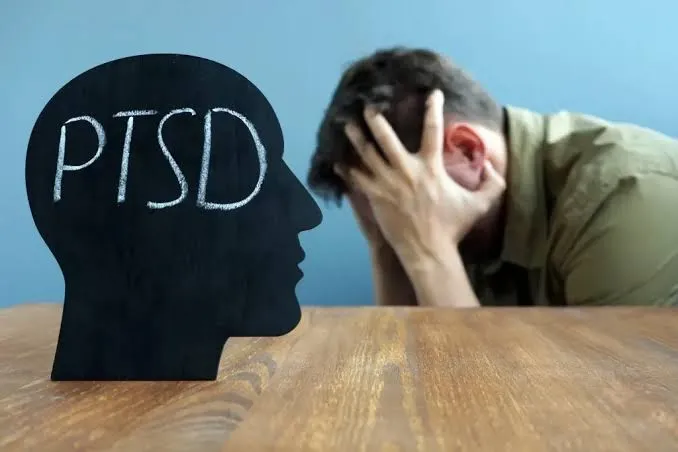
Post-Traumatic Stress Disorder (PTSD) is a mental health condition that may develop after experiencing or witnessing a traumatic or extremely distressing event.
Trauma can affect people differently. Some individuals may develop symptoms soon after an event, while others may experience symptoms later.
PTSD symptoms can involve unwanted memories, avoidance, changes in mood and thinking, and increased physical or emotional alertness.
PTSD symptoms may vary from person to person and can include:
Symptoms that persist and significantly interfere with daily life may require professional assessment.
PTSD can develop after different types of traumatic experiences, including:
Not everyone who experiences trauma develops PTSD, and the response to trauma can vary significantly between individuals.
Untreated or persistent PTSD symptoms may affect:
Nightmares, difficulty falling asleep or frequent waking may occur.
Intrusive memories, poor concentration or heightened alertness may make it difficult to focus.
Emotional withdrawal, irritability or difficulty communicating may affect relationships.
Some individuals may avoid people, places or situations that remind them of the traumatic experience.
Fear, anxiety and avoidance can make normal routines more difficult.
Professional psychiatric assessment may be appropriate for individuals experiencing:
Children and teenagers may respond to trauma differently from adults.
Possible signs include:
When trauma-related changes persist or interfere with a child’s daily functioning, professional assessment can help determine the appropriate support.
There is no single blood test or scan that confirms PTSD.
A psychiatrist may conduct a detailed assessment covering:
The clinician may discuss the traumatic experience and its psychological impact at a pace appropriate for the individual.
Unwanted memories, nightmares and flashbacks are assessed.
The clinician evaluates whether the person is avoiding trauma-related thoughts, feelings, people or situations.
Changes in emotional state, beliefs, memory and thoughts may be explored.
Sleep problems, irritability, startle responses and persistent alertness may be assessed.
The impact of symptoms on work, studies, relationships and everyday activities is considered.
Depression, anxiety, panic disorder, OCD and substance use disorders may occur alongside PTSD and may also be assessed.
PTSD treatment is individualized according to symptoms, severity, personal circumstances and treatment goals.
Psychotherapy is an important treatment approach for PTSD. Trauma-focused therapies can help individuals process trauma-related thoughts, memories and emotions in a structured and clinically appropriate manner.
Cognitive Behavioural Therapy (CBT) can help individuals identify and manage unhelpful thoughts, emotions and behavioural patterns associated with trauma.
Where clinically appropriate, structured therapeutic approaches may help individuals gradually address trauma-related memories or situations while developing healthier coping responses.
Medication may be considered for some individuals depending on symptoms and clinical assessment. Medication selection and monitoring should be managed by a qualified psychiatrist.
Appropriate strategies for managing sleep difficulties and stress can complement professional treatment.
Ongoing psychiatric follow-up allows treatment response, symptoms and overall functioning to be monitored.
Treatment can help reduce the emotional distress associated with traumatic memories and reminders.
Individuals can learn strategies to manage fear, anxiety and heightened alertness.
Treatment may help address trauma-related sleep difficulties and nightmares.
Appropriate therapy can help individuals gradually regain confidence in situations they may have been avoiding.
Managing intrusive thoughts and anxiety may support better concentration and everyday functioning.
Improved emotional regulation and communication can support healthier relationships.
Effective treatment aims to reduce the impact of PTSD symptoms on everyday life.
The first consultation focuses on understanding symptoms, concerns and their effect on everyday life.
The psychiatrist evaluates trauma-related symptoms, sleep, anxiety, mood, behaviour and functioning.
A treatment plan is developed according to the individual’s symptoms, diagnosis and treatment goals.
Where appropriate, evidence-based psychological approaches are used to address trauma-related symptoms.
Medication may be recommended when indicated and monitored through regular follow-up.
Healthy routines, sleep support and appropriate coping strategies can complement professional treatment.
Progress is reviewed and treatment may be adjusted according to the individual’s response.
Psychotherapy can play an important role in PTSD management.
Therapy may help individuals:
Trauma-focused therapy should be conducted by an appropriately trained mental health professional.
Some individuals with PTSD may experience panic attacks or intense anxiety when exposed to reminders of the traumatic event.
Symptoms may include:
A comprehensive psychiatric assessment can help determine whether panic symptoms are related to PTSD or another co-existing condition.
PTSD can occur alongside depression.
An individual may experience:
Identifying co-existing depression can help guide an individual’s overall treatment plan.
Trauma-related anxiety can affect everyday functioning.
Individuals may experience:
Treatment can address PTSD symptoms as well as other anxiety-related concerns when they occur together.
Family members can provide support by:
Trauma recovery is different for every individual, and support should be respectful and non-judgmental.
Consider professional assessment when trauma-related symptoms:
If you are experiencing thoughts of suicide, self-harm, severe distress or an immediate safety concern, seek urgent professional or emergency assistance.
Every individual responds differently to treatment. With appropriate professional care, individuals may work toward:
Recovery from trauma can take time. Consistent professional support and individualized treatment can help individuals work toward long-term symptom management.
Post-Traumatic Stress Disorder is a mental health condition that can develop after experiencing or witnessing a traumatic or extremely distressing event. Symptoms may include intrusive memories, nightmares, avoidance, anxiety, emotional changes and increased alertness.
Yes. PTSD can be treated and managed with appropriate professional care. Treatment may include trauma-focused psychotherapy, CBT-based approaches, medication when clinically appropriate and ongoing follow-up.
A mental health professional may discuss aspects of the traumatic experience as part of assessment and treatment, but this should be done at an appropriate pace in a supportive clinical setting. Treatment does not require you to disclose more than you are comfortable discussing at a particular stage.
Yes. Sleep difficulties and trauma-related nightmares can occur with PTSD. A psychiatric assessment can help determine the appropriate treatment approach.
Yes. PTSD can occur alongside depression, anxiety, panic disorder and other mental health conditions. A comprehensive assessment can help identify co-existing concerns.
You can consult Dr. Nirlipta Dash for PTSD Treatment in Bhubaneswar at N/6-448, IRC Village, Nayapalli, Bhubaneswar, Odisha – 751015.
Fill out the form below, and we will be in touch shortly.